
"Roasting Plant"
4000 article(s) found

Essex Damo Sunshine Sakuran Sidamo Gucci boutique coffee beans grading, price, raw beans and roasting
Professional baristas please pay attention to the coffee workshop (Wechat official account cafe_style). In order to prevent sudden rain at night, it will be wrapped in thick plastic sheeting. In this way, the red fruit is fermented and dehydrated at a lower temperature. After 18 days of sun treatment, the moisture content of raw coffee beans is reduced to about 13%. Stop the sun treatment and put it in a sack at 12-22 degrees Celsius and 40-50% humidity.

What are the alkaloids in coffee? are alkaloids the source of coffee bitterness? what are alkaloids?
Did you know that coffee contains a plant component called alkaloid? I'm not familiar with the word, but this time I'll talk about the alkaloids found in coffee. About alkaloid alkaloid is the general name of alkaline natural plant components, is similar to the alkali of organic compounds. It is said that the formation of alkaloids by microorganisms, fungi, plants, animals and everything is called secondary metabolism.

Characteristics of Guatemala Antigua Huna Park Coffee suitable roasting degree of Guatemala Coffee
Professional coffee knowledge exchange more coffee bean information please pay attention to the coffee workshop (Wechat official account cafe_style) the best-known coffee producing areas in Guatemala are Vivette Nanguo and Antigua volcano, of which Antigua is located in the southwest of Guatemala, facing the three volcanoes Agua, Fuego and Acatenango to the south, the geographical environment is unique, typical

How much is Costa Rican Saint Roman coffee? Costa Rican Saint Roman coffee price
For the exchange of professional baristas, please follow the coffee workshop (official Wechat account cafe_style) Royal Coffee processing Plant in Saint Roman, Costa Rica Costa Rica San Ramon Royal Coffee country: Costa Rica Grade: SHB altitude: 1700m production area: Tara Pearl production area roasting degree: medium-deep roasting treatment: washing treatment varieties: Kaddura, Kaduai

Is Costa Rican Saint Roman Coffee good? the method of making Costa Rican Coffee
For the exchange of professional baristas, please follow the coffee workshop (official Wechat account cafe_style) Royal Coffee processing Plant in Saint Roman, Costa Rica Costa Rica San Ramon Royal Coffee country: Costa Rica Grade: SHB altitude: 1700m production area: Tara Pearl production area roasting degree: medium-deep roasting treatment: washing treatment varieties: Kaddura, Kaduai

Grading, price, raw beans and roasting of Costa Rican Yelsa Rocadura boutique coffee beans
Professional barista communication please pay attention to the coffee workshop (Wechat official account cafe_style) treatment method: yellow honey treatment: about 40% of the pectin is removed; the drying method requires the most direct heat absorption, receives the most light drying, and lasts for about 8 days to reach a stable water content. Costa Rican coffee has always been regarded as the perfect type of classic flavor, balanced, clean and warm.
Introduction to Coffee roasting five pieces of Coffee roasting process
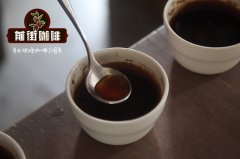
Professional coffee knowledge exchange more coffee bean information please follow the coffee workshop (Wechat official account cafe_style) 1, dehydration said coffee roasting the first step, coffee bean itself is a plant seed, life, moisture. Raw coffee beans are also willing to be exposed to moisture and increase in water content in the packaging, transportation and storage after treatment. The temperature of baking and dehydration is all 170 degrees Celsius.

Treatment method of grinding degree and baking degree of Costa Rican yellow honey Yelsa Rocadura boutique coffee beans
Factory name: Dazhen Coffee Qianjie Cafe location: Guangzhou Baoqian Street 10 manufacturer contact Information: 38364473 ingredients Table: self-baking shelf life: 90 net content: 227g packing: raw and ripe degree of coffee beans in bulk: whether coffee beans contain sugar: sugar-free origin: Costa Rican coffee types: other roasting degree: moderate roasting Costa Rica Helsar De Zarce

National free delivery of Costa Rican yellow honey treatment Yerzaro processing plant Kaddura boutique coffee products
Factory name: Dazhen Coffee Qianjie Cafe location: Guangzhou Baoqian Street 10 manufacturer contact Information: 38364473 ingredients Table: self-baking shelf life: 90 net content: 227g packing: raw and ripe coffee beans in bulk: whether coffee beans contain sugar: sugar-free origin: Costa Rican coffee types: other roasting degrees: moderate roasting Costa Rica Helsar De Zarcer
The largest coffee processing plant in Rwanda-Musasha Coffee Bean Story _ how to bake Rwandan coffee beans
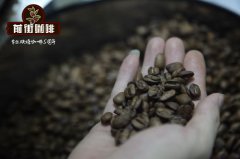
Professional coffee knowledge exchange more coffee bean information please follow the coffee workshop (Wechat official account cafe_style) Rwanda Musasha (Duken de Kawa Cooperative) Bourbon species 380 yuan per kilogram special purchase Rwanda Musasa Dukunde Kawa Coop (Coffee Review 92 cents) Manor: Musa Cooperative small Farmers altitude: (above sea level) 1800 ~

Costa Rica Tara Pearl Otis Gang rock yellow honey treatment rose summer difference, distinction and award situation
Professional barista communication please pay attention to coffee workshop (Weixin Official Accounts cafe_style ) Costa Rica Tarrazzu Honey Geisha Country: Costa Rica Grade: SHB Production Area: Tarrazzu Roasting Degree: Light Roasting Treatment Method: Honey Treatment Method: After removing peel and pulp, coffee beans with pectin are dried. Distinguish between different honey treatments

Kenya Kamagogo Camago Coffee processing Plant Story _ what is the type of Kenyan coffee?
Professional coffee knowledge exchange more coffee bean information please follow the coffee workshop (Wechat official account cafe_style) fresh plum sugar Kenya coffee sweet tail sweet, sweet and sour balanced candy Kamagogo is located in Mulan, Kenya, originally a traditional tea-growing area with excellent local climate conditions, with the help of CMS (Kenyan local coffee organization).

Kenya washing AA Klinga production area Cabaret hole fish processing plant fine coffee beans grind and bake
Country: Kenya Grade: AA production area: Klinaga production area altitude: 1550-1750 m soil quality: red Phosphoric Acid soil treatment: Kenyan double washing treatment Variety: SL 28, SL 34 treatment Plant: hole Fish treatment Plant producer: Cabaret Cooperative Flavor: grapefruit Green Tea, Citrus, Black Plum, located in East Africa, Kenya is one of the major coffee producing countries.

Classification, price, raw beans and roasting of TOP pearl round beans PB boutique coffee beans in Kaili, Kenya
For professional baristas, please follow the profile of the coffee workshop (official Wechat account cafe_style): this raw bean comes from the Chakney processing plant in Neri and comes from the surrounding family farm. About 2023 coffee trees have been planted on 0.5 acre (about 250 square meters) of land. Neri has always been a classic coffee producing area in Kenya. Relying on Mount Kenya, it has advantages suitable for coffee growth.

Costa Rican yellow honey leaves Salocadura fine coffee beans hand brewing parameters recommendations
Professional barista exchanges, please pay attention to the yellow honey hand-brewed in the coffee workshop (Weixin Official Accounts cafe_style ). 15g powder, medium grinding (small Fuji ghost tooth knife 4 grinding), v60 filter cup, 88-89 degrees water temperature, the first injection of 30g water volume, 27 seconds stewing, injection to 105g water volume cut off water, wait for the powder bed water volume to drop to half, then inject water slowly until 225g water volume, tail section do not,

What are the steps for brewing Burundian coffee in the sun?
Professional barista communication please follow the coffee workshop (Wechat official account cafe_style) Burundi Kayanza Kabuye Natural country: Burundian growth: 1750 meters production area: Kayanza Kabuye roasting degree: moderate roasting treatment: sunbathing in Burundi. 15g powder, medium grinding (small Fuji ghost tooth cutter 4 grinding), v60 filter cup, 88-89 degrees water temperature

A Brief Introduction to the Processing Method of Grinding Degree and Roasting Degree of Washed Sidamo G 2 Fine Coffee Beans in Ethiopia
Name: Coffee workshop address: Guangzhou City Yuexiu District Baoanqian Street No. 10 Factory Contact: 020-38364473 Shelf life: 90 Net content: 227g Packing: Bulk coffee beans Ripe degree: Coffee ripe beans sugar: sugar-free Origin: Ethiopia Roasting degree: Light roasting Sidamo G2 WashedCountry: Ethiopia Grade: G2 Origin: Sidamo Roasting

Cultivation of Fine Coffee beans in Cabaret Coffee processing Plant in Kenya AA Klinaga production area
Variety: SL 28, SL 34 processing plant: hole fish processing plant producer: Kabare cooperative flavor: grapefruit green tea, citrus, black plum is located in Kenya in East Africa is one of the major coffee producing countries, about 6 million people in the country are engaged in the coffee industry, mostly in the form of a combination of small farmers and cooperatives. Coffee trees in Kenya are mostly planted at 1400 m-2000 m above sea level.

Kenya washing AA grade Klinga producing area Kabarekong fish processing plant order baking boutique coffee
The fresh coffee of this batch of Kongyu AA was picked and processed by 250 farmers in Kongyu Processing Plant under Kabare Farmers Cooperative. Coffee is peeled, fermented and washed in nearby river water and dried on African drying beds. Each harvest season, farmers will process nearly 300 tons of fresh coffee. After processing, it will participate in the three weekly elections in Nairobi
Good coffee depends on good roasting. What are the factors affecting the baking process?
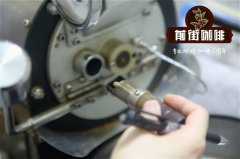
Several key points in the coffee roasting process. First, dehydration said that the first step in coffee roasting, coffee beans themselves are plant seeds, have life, contain water. Raw coffee beans are also willing to be exposed to moisture and increase in water content in the packaging, transportation and storage after treatment. The temperature of baking dehydration is below 170 degrees Celsius, because the baking equipment drinks the beans themselves, and the dehydration time is also the same.